2026 Science and Family Meeting
MITCHELL AND FRIENDS SCIENCE AND FAMILY MEETING
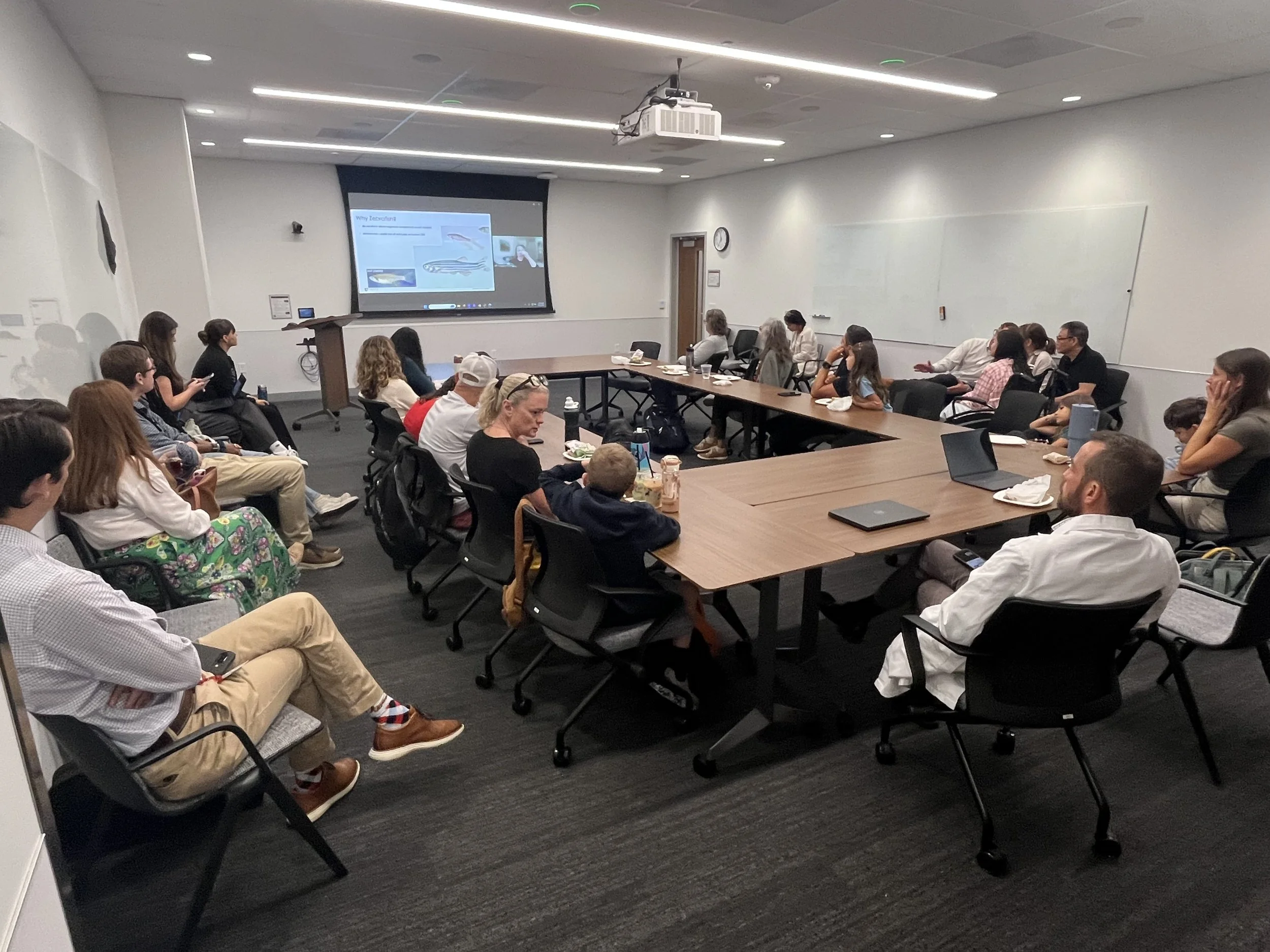
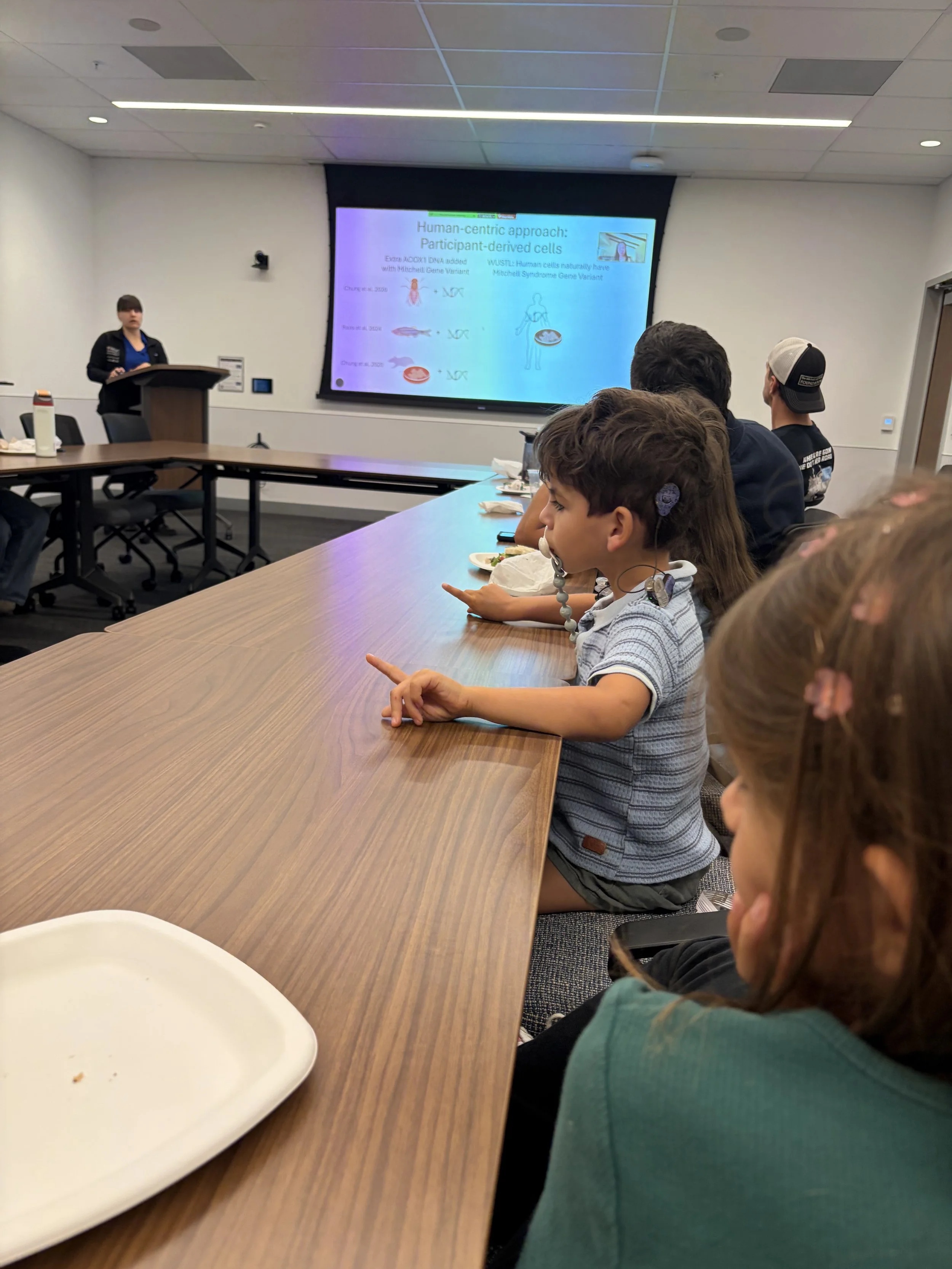
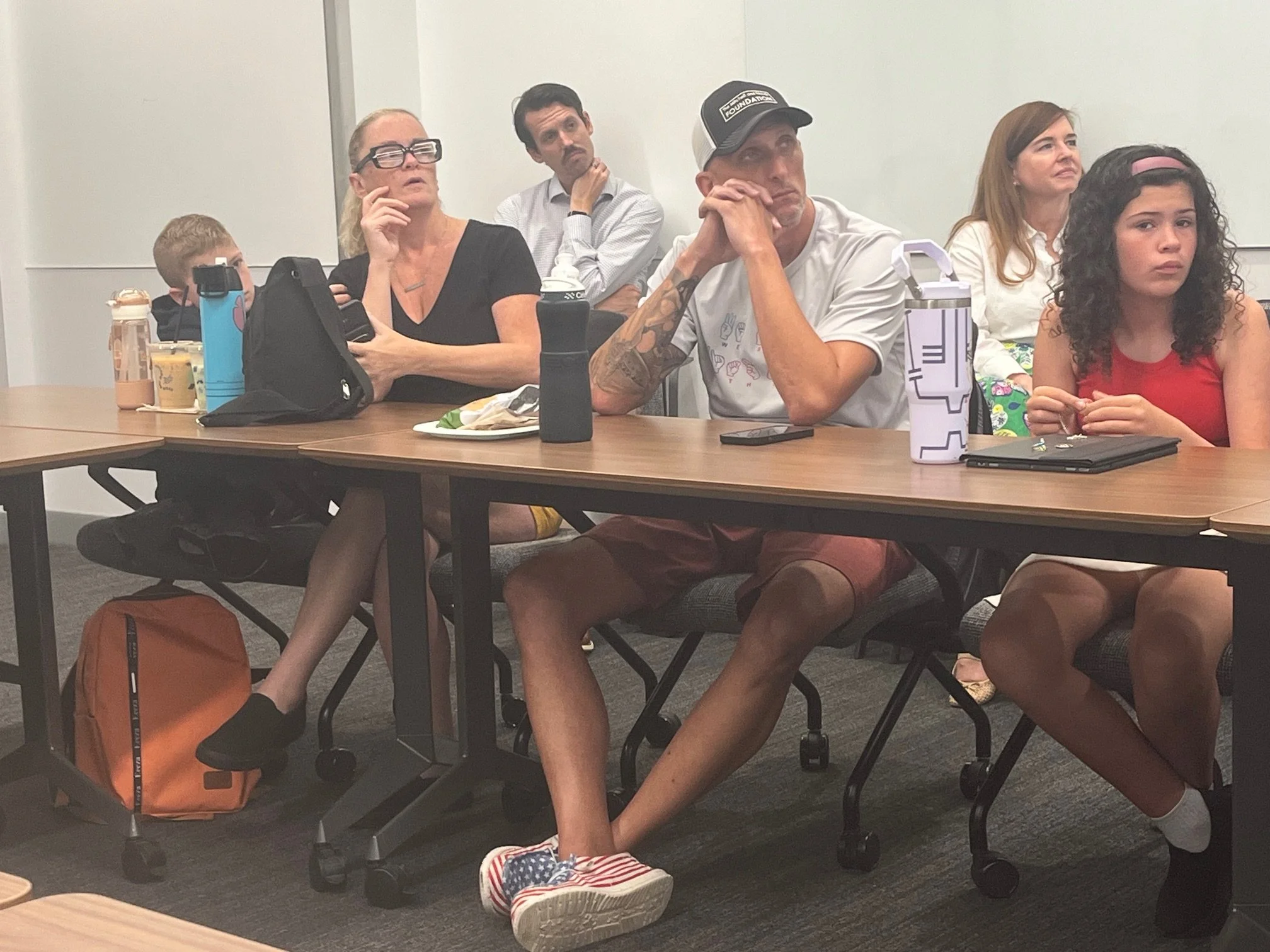
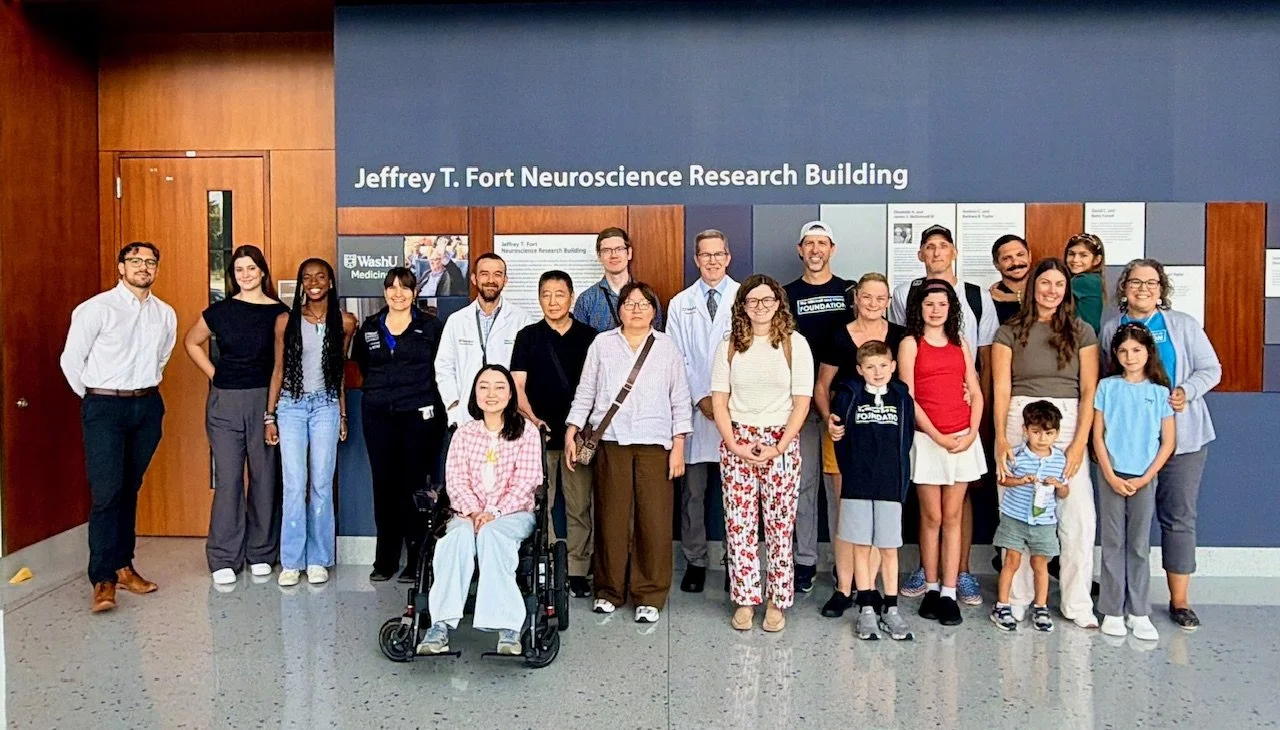
On Friday afternoon of September 11, families and researchers from around the world gathered for the Mitchell Syndrome Science and Family Conference. This bi-annual meeting was hosted in-person and online in St. Louis at the Washington University Neuroscience Building.
While children played on their iPads, researchers shared their latest findings on Mitchell Syndrome and possible treatments.
Key presenters included:
Dr. Salena Cui (formerly of WashU, now an attending neurologist at UCSF), who presented on the status of a retrospective natural history study being conducted on Mitchell Syndrome;
Dr. Zita Hubler (WashU), who updated us on the research being done on ASO treatments, using Mitchell Syndrome human cells;
Courtney Demmit-Rice (PhD student at the University of Utah in the lab of Dr.Josh Bonkowsky), who discussed experiments with Mitchell Syndrome Zebrafish;
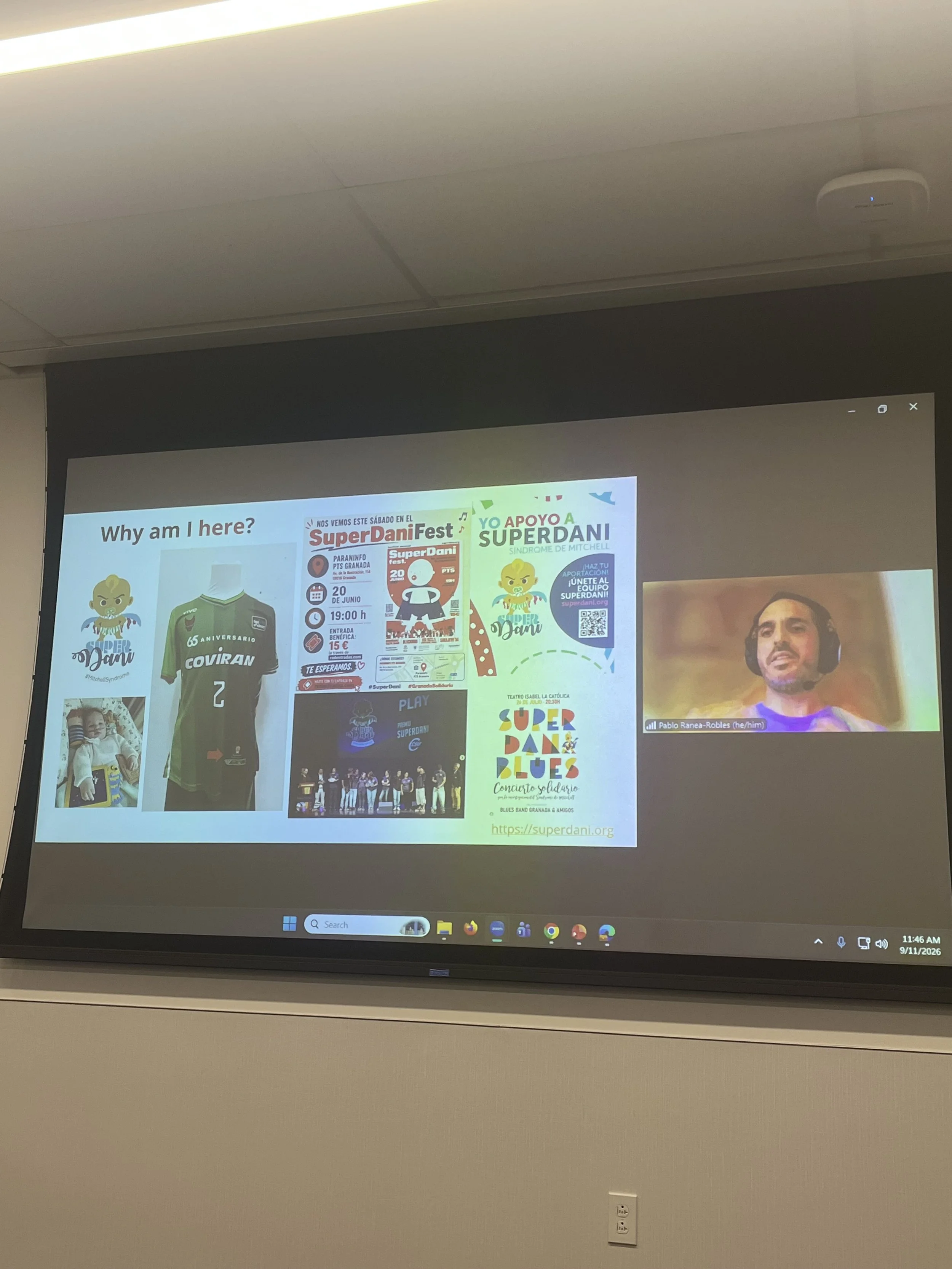
Dr. Pablo Ranea Robles (University of Grenada, Spain), who introduced himself and the work his lab will be doing, which will include working with zebrafish and human cells from two Mitchell Syndrome patients, and investigating other possible medical treatments.
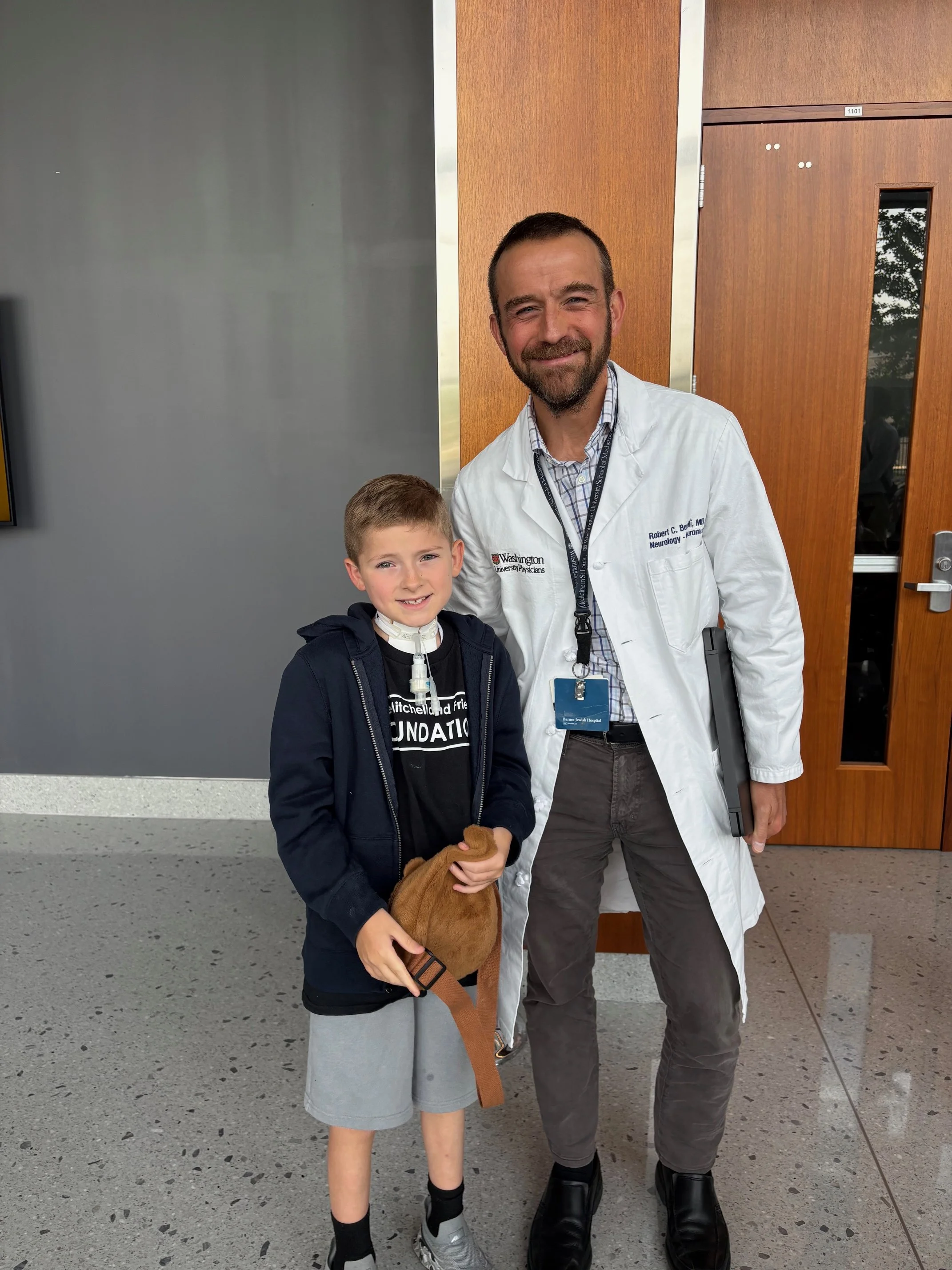
We were also honored to have neurologists Dr. Timothy Miller and Dr. Bob Bucelli, physician-researchers at WashU, who answered questions from parents.
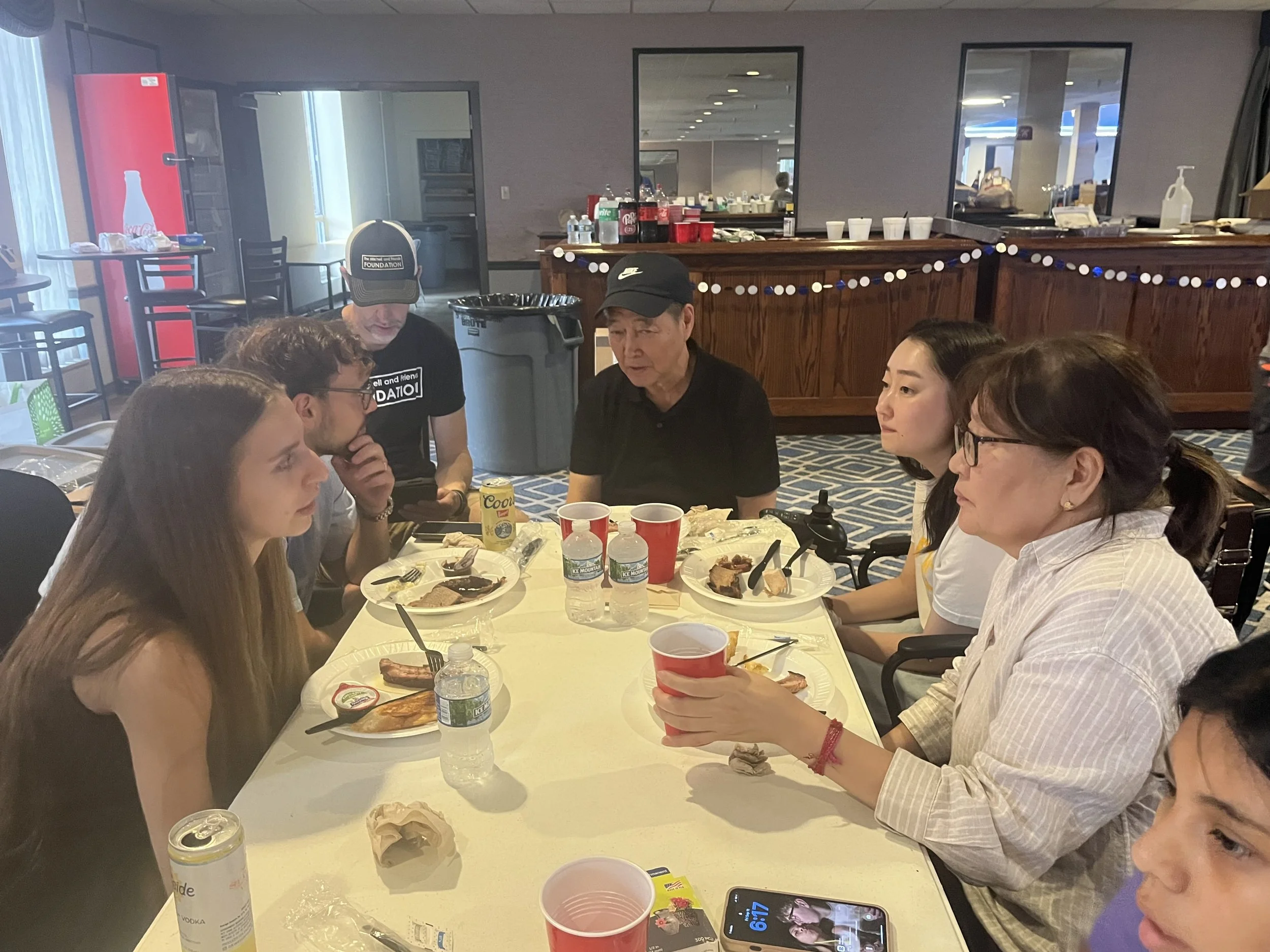
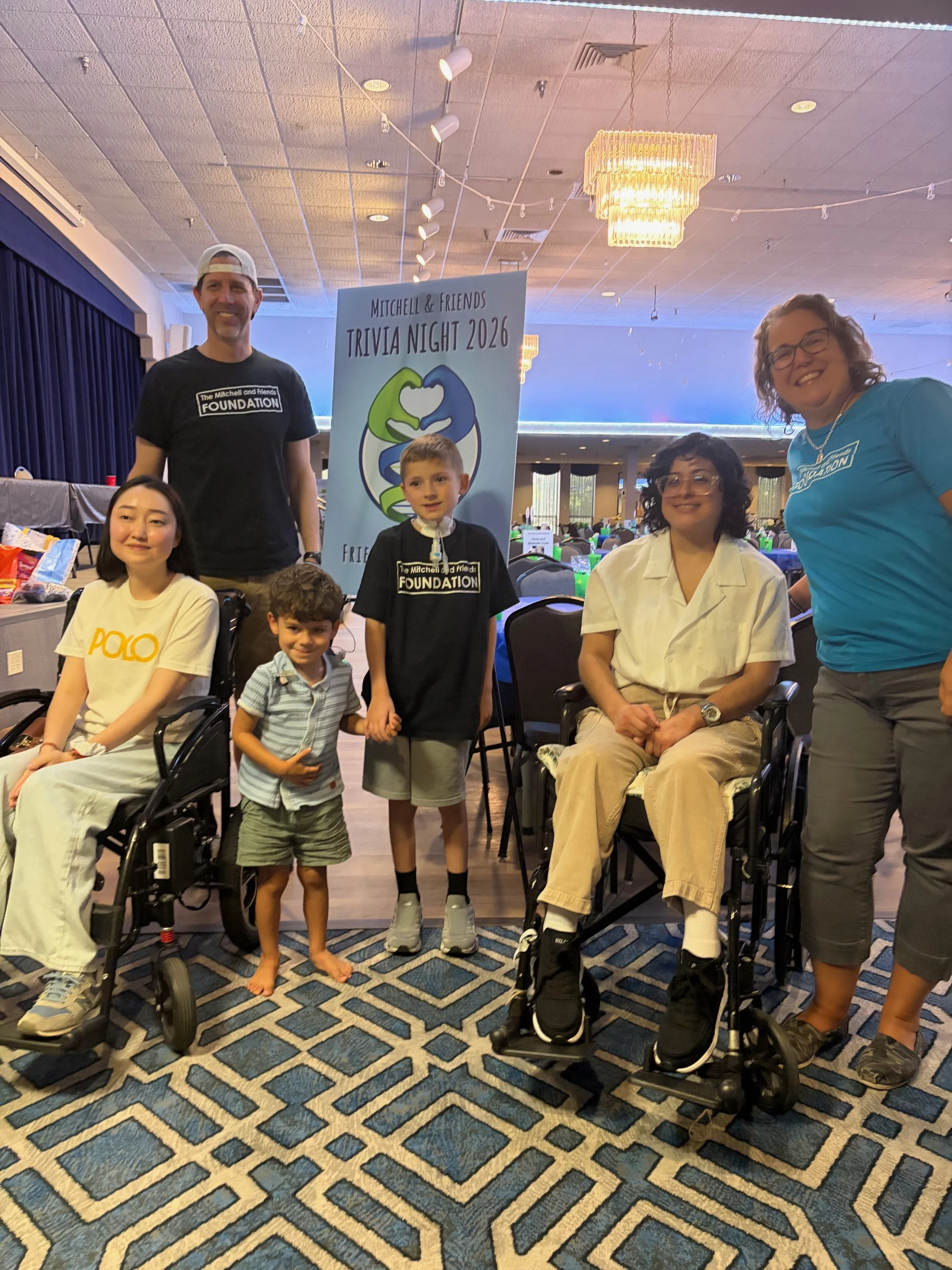
Later that evening, these families got to enjoy some local St. Louis BBQ with Mitchell and Friends volunteers, as we finished preparations for our fundraiser Trivia Night. (Update coming soon.)
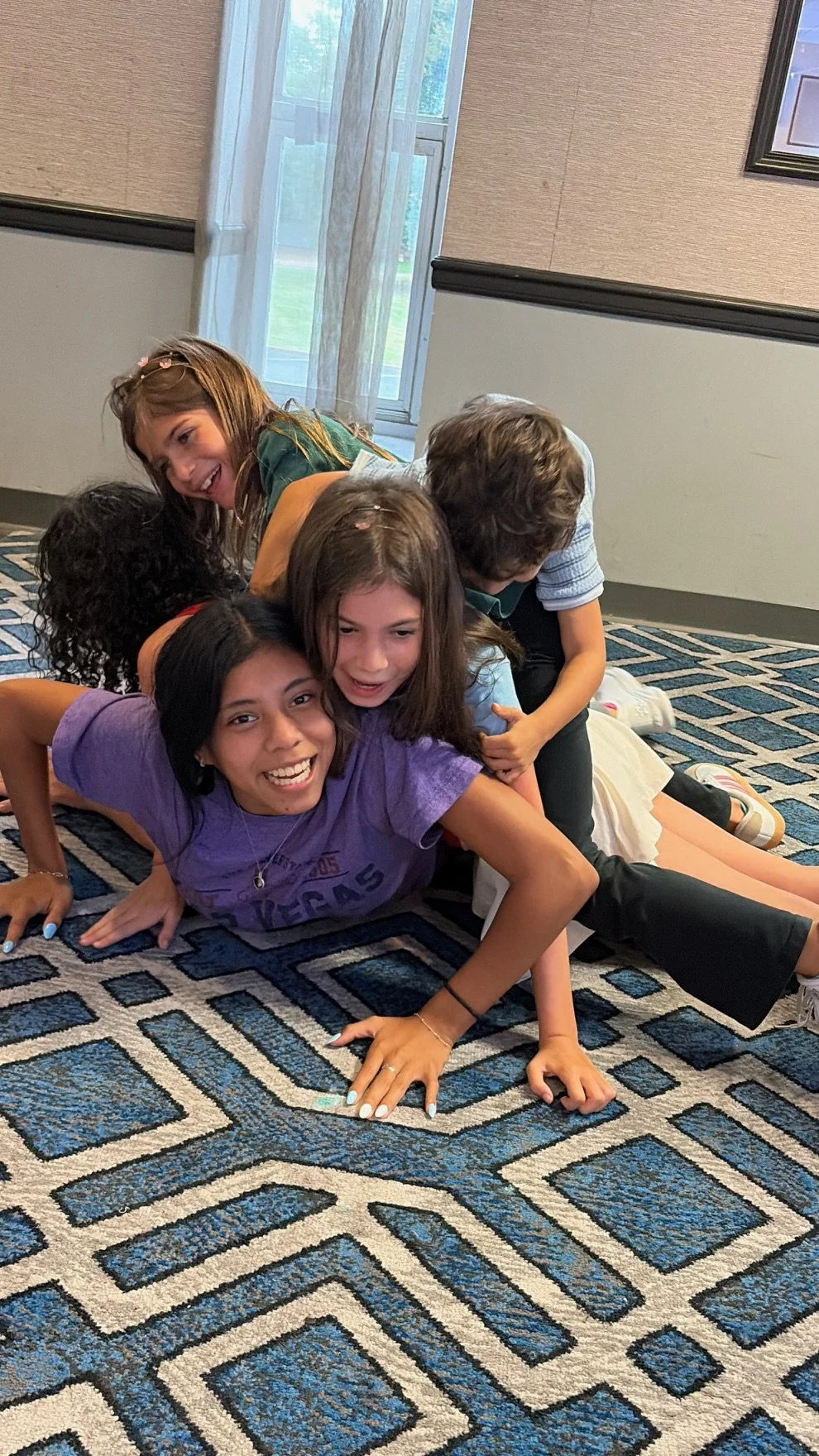
Bringing together researchers from different countries and parents of Mitchell Syndrome patients is an essential part of the work of the Mitchell and Friends Foundation. Scientists need to meet with other scientists to share what they’re learning; families need to meet with other families to share knowledge and encouragement; and scientists need to meet with families to put a face on the deadly neurological condition they are working so hard to cure.
We are grateful to everyone’s contribution to this meeting, and especially to WashU Medicine for hosting the meeting and providing lunch.
We are a long way from curing Mitchell Syndrome, but with this kind of support and collaboration, we can defeat the rarest of rare diseases.